


%20(2).avif)
San Antonio Theft Attorney
Theft Offenses We Defend
Texas theft laws cover a wide range of property crimes with penalties ranging from small fines to life imprisonment.

Shoplifting and Retail Theft
Shoplifting involves taking merchandise from stores without paying for it. These charges often result from misunderstandings, forgotten items, or price disputes. Retailers use sophisticated surveillance systems and aggressive loss prevention personnel who sometimes accuse innocent customers. We challenge the evidence, examine surveillance footage, and demonstrate a lack of criminal intent when items were forgotten or pricing was confusing.
Burglary
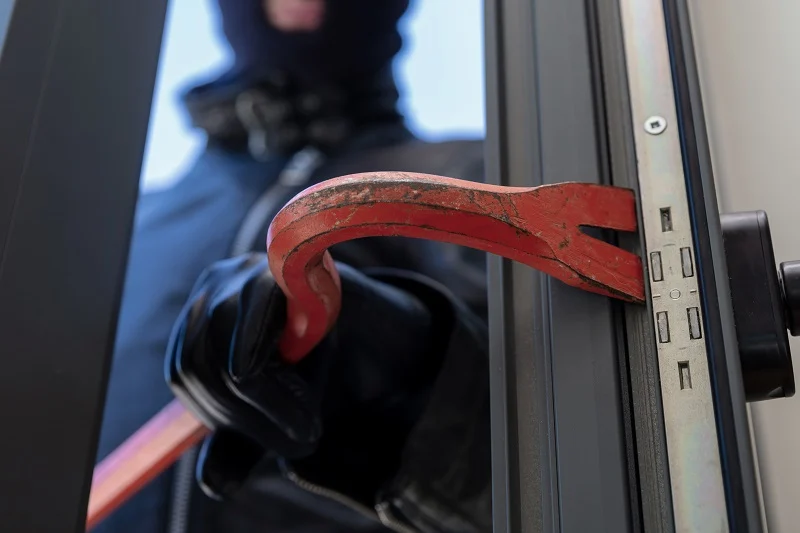
Burglary involves unlawfully entering a structure, such as a home, business, or vehicle, with the intent to commit a crime inside. These cases can arise from misunderstandings about permission to enter, disputes over property ownership, or issues of mistaken identity. We scrutinize the evidence of unlawful entry, challenge the prosecution's claims about intent, and build a strong defense based on the specific facts of your case.

Employee Theft and Embezzlement
Employee theft charges arise when employers accuse workers of stealing money, merchandise, or property. These cases often involve accounting disputes, authorization disagreements, or legitimate compensation claims being characterized as theft. We examine employment records, challenge calculations of alleged losses, and present evidence of authorization or legitimate business expenses that contradict theft allegations.

Theft of Service
Theft of service involves obtaining services without paying, including dining and dashing, gas station drive-offs, or refusing to pay for completed work. Many cases involve billing disputes, service quality disagreements, or misunderstandings about payment arrangements. We demonstrate legitimate disputes, show intent to pay, and challenge the characterization of civil matters as criminal conduct.
Auto Theft and Unauthorized Use of a Vehicle
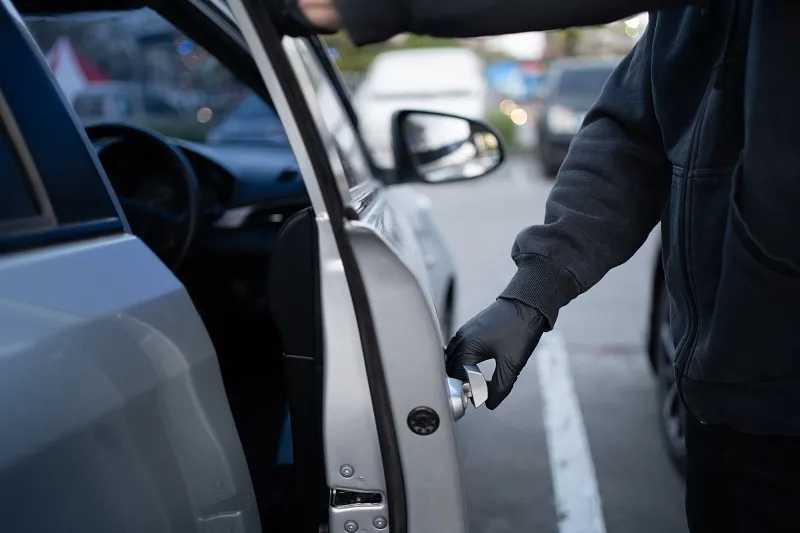
Auto theft charges include stealing vehicles or using someone else's vehicle without permission. Unauthorized use cases often involve family members, friends, or former partners who had previous permission to use vehicles. We demonstrate consent, challenge proof of lack of authorization, and present evidence of legitimate use that contradicts theft allegations.

Theft by Check
Writing checks without sufficient funds can result in theft by check charges when prosecutors believe you intended to defraud the payee. Many cases involve banking errors, timing issues, or legitimate disputes about account balances. We demonstrate a lack of criminal intent, show good faith efforts to cover checks, and challenge proof that you knew funds were insufficient.

Credit Card Abuse
Credit card abuse includes unauthorized use of cards, using expired cards knowing they're invalid, or using cards obtained through fraud. These charges often arise from family disputes, misunderstandings about authorization, or legitimate cardholder disputes. We challenge proof of unauthorized use, demonstrate you had permission, and present evidence contradicting abuse allegations.

Cargo Theft
Cargo theft involves stealing goods while they are being transported, often from trucks, trains, or warehouses. These cases frequently involve employment disputes, inventory discrepancies, or authorization issues. We examine shipping records, challenge the evidence of theft, and present alternative explanations for missing merchandise.

Organized Retail Theft
Organized retail theft charges apply when prosecutors believe multiple people worked together to steal merchandise for resale. These enhanced charges carry significantly harsher penalties than simple shoplifting. We challenge proof of organization, demonstrate individual rather than coordinated action, and attack evidence of intent to resell.

Theft from the Elderly
Theft from victims aged 65 or older triggers enhanced penalties under Texas law. These charges often arise from caregiver relationships, family disputes, or legitimate financial transactions being mischaracterized. We examine the relationship between parties, demonstrate consent and authorization, and challenge allegations of exploitation.

Receiving Stolen Property
Possession of stolen property charges require proof that you knew or should have known the items were stolen. Many defendants purchase items legitimately without knowing they are stolen. We challenge proof of knowledge, demonstrate reasonable belief in a legitimate purchase, and present evidence of fair market value payment.

Theft of Intellectual Property
Theft of intellectual property includes trade secrets, proprietary information, or confidential business data. These cases often involve employment disputes and disagreements about ownership of ideas or information. We demonstrate authorized access, challenge proof of theft, and show that information was not actually confidential or proprietary.

Construction Theft
Construction site theft charges involve taking tools, equipment, or materials from building sites. These cases sometimes involve contractor disputes, equipment rental disagreements, or legitimate possession being mischaracterized as theft. We examine contracts and authorization, challenge proof of theft, and demonstrate legitimate access to property.
.avif)
.avif)
Don't Let Theft Charges
Ruin Your Future
Even minor theft convictions create permanent criminal records that affect employment, housing, and professional opportunities. Get immediate protection from a San Antonio theft defense attorney who fights to protect your record and freedom.

Texas Theft Penalties Based on Value
Texas law sets theft penalties based on the value of allegedly stolen property, with enhanced penalties for certain victims and circumstances.
- Class C misdemeanor: Theft of property valued under $100 results in fines up to $500 with no jail time. While this seems minor, it still creates a criminal record.
- Class B misdemeanor: Theft of property valued at $100 to $750 carries up to 180 days in county jail and fines up to $2,000. This applies to most shoplifting cases.
- Class A misdemeanor: Theft of property valued at $750 to $2,500 carries up to one year in county jail and fines up to $4,000. Previous theft convictions can enhance charges to this level.
- State jail felony: Theft of property valued at $2,500 to $30,000 carries a sentence of 180 days to 2 years in state jail and fines up to $10,000. This is the most common felony theft charge.
- Third-degree felony: Theft of property valued at $30,000 to $150,000 carries 2 to 10 years in prison and fines up to $10,000. Enhanced charges apply for theft from elderly victims regardless of the amount.
- Second-degree felony: Theft of property valued at $150,000 to $300,000 carries 2 to 20 years in prison and fines up to $10,000. ATM theft also results in second-degree felony charges.
- First-degree felony: Theft of property valued over $300,000 carries 5-99 years or life in prison and fines up to $10,000. This represents the most serious theft cases.
Enhanced penalties apply for:
- Theft from elderly persons (65 or older)
- Theft from nonprofit organizations
- Theft of specific items (firearms, livestock, aluminum, copper)
- Theft during disasters or evacuations
- Previous theft convictions
Collateral Consequences
Beyond immediate penalties, theft convictions create lasting problems, including difficulty finding employment as most employers conduct background checks, housing denials as landlords reject applicants with theft records, professional license issues for nurses, teachers, lawyers, and other licensed workers, immigration consequences, including deportation for non-citizens, student loan disqualification, and permanent criminal records visible to anyone conducting background checks.
Defense Strategies for Theft Cases

Every theft case presents opportunities to challenge the prosecution's evidence and protect your rights.
- Lack of intent: Theft requires proof that you intended to permanently deprive the owner of property. We demonstrate that you forgot to pay for items, believed you had permission to take property, intended to return items, or made honest mistakes that don't constitute criminal conduct.
- Claim of right: When you reasonably believed you had a right to property, criminal intent is absent. We show that you had legitimate ownership claims, were owed money or property, had authorization from someone you believed owned the property, or acted based on reasonable but mistaken beliefs about ownership.
- Consent and authorization: Many theft cases involve disputes about whether you had permission to take or use property. We present evidence that the owner gave consent, that you had previous authorization that continued, that family or business relationships implied permission, or that authorization disputes are civil matters rather than criminal conduct.
- False accusations: Theft accusations sometimes stem from revenge, custody disputes, employment conflicts, or attempts to cover losses or explain missing property. We investigate accusers' motives, examine relationships among the parties, identify inconsistencies in the accusations, and present evidence contradicting false claims.
- Mistaken identity: Surveillance footage quality, eyewitness reliability, and identification procedures often result in wrongful accusations. We challenge identification evidence, present alibi witnesses, demonstrate you were elsewhere when the theft occurred, and show that someone else committed the offense.
- Insufficient evidence: Prosecutors must prove every element beyond a reasonable doubt. We challenge weak evidence, identify gaps in the state's case, demonstrate that suspicion isn't proof, and show that evidence is consistent with innocence.
- Valuation disputes: Theft penalties depend on property value, and prosecutors sometimes inflate values to enhance charges. We obtain independent appraisals, challenge the state's valuation methods, demonstrate lower actual values, and fight to reduce charges based on accurate valuations.
- Illegal searches and seizures: Evidence obtained through unconstitutional searches cannot be used against you. We examine whether police had proper warrants, whether searches exceeded constitutional limits, whether consent was truly voluntary, and whether probable cause existed for stops and searches.
- Civil remedy more appropriate: Many theft accusations involve civil disputes over property ownership, contract disagreements, or business conflicts that shouldn't be criminalized. We demonstrate that civil lawsuits are appropriate remedies and that criminal prosecution is unwarranted.
- Entrapment: In cases involving undercover operations or informants, we examine whether law enforcement induced conduct you wouldn't have otherwise committed.
Why Immediate Action Matters
Theft investigations move quickly, and early intervention protects your rights and improves your defense.
- Evidence preservation: Surveillance footage gets deleted, witnesses' memories fade, and receipts get lost. Starting your defense immediately preserves evidence that can prove your innocence or challenge the prosecution's claims.
- Witness interviews: Talking to witnesses before police influence their memories allows us to gather unbiased accounts. Once police interview witnesses, their statements are often shaped by law enforcement's theory of the case.
- Negotiation opportunities: Early attorney involvement creates opportunities to resolve cases without criminal charges through civil compromise, restitution arrangements, or pretrial diversion programs.
- Preventing enhanced charges: Prosecutors sometimes add charges or enhance penalties as investigations continue. Early intervention can prevent additional charges by presenting evidence that contradicts aggravating factors.
- Protecting your record: Many first-time theft offenders qualify for programs that result in dismissed charges and clean records, but only with proper legal representation from the start.

Pretrial Diversion and Alternative Programs
Many theft defendants qualify for programs that result in charges being dismissed without a conviction.
- Pretrial diversion: First-time offenders may qualify for pretrial diversion programs that require completion of community service, restitution payments, theft education classes, and probation. Successful completion results in the dismissal of charges with no conviction on your record.
- Deferred adjudication: This form of probation allows defendants to avoid conviction by completing probation requirements. Upon successful completion, cases are dismissed, though records of deferred adjudication remain visible on background checks.
- Theft class programs: Courts often require completion of theft awareness classes as part of sentences or diversion programs. These classes address underlying issues and demonstrate rehabilitation to prosecutors and judges.
- Restitution agreements: Paying restitution to victims demonstrates acceptance of responsibility and can result in reduced charges or alternative sentencing options.
- Civil compromise: In some cases, victims can request dismissal of charges after receiving restitution through civil compromise procedures. This requires negotiation among your attorney, the prosecutors, and the alleged victims.
The Legal Process for Theft Cases
- Arrest or citation: Retailers may detain you until police arrive. Whether arrested or cited, exercise your right to remain silent and request an attorney immediately.
- Initial appearance: A magistrate will inform you of the charges and set bond. An attorney helps ensure your bond remains reasonable so you can return home.
- Charging decision: Prosecutors review police reports to decide on charges. Your defense can present evidence early to potentially prevent or reduce these charges before they are filed.
- Arraignment: You will enter a formal plea. Pleading not guilty is a standard way to keep your defense options open while your attorney reviews the state's evidence.
- Discovery: Your attorney gathers surveillance footage, witness statements, and reports. This stage is used to identify flaws in the prosecution's evidence.
- Pretrial negotiations: Many theft cases resolve through dialogue with prosecutors. We seek diversion programs, alternative sentencing, or dismissals based on mitigating factors.
- Pretrial motions: We challenge the prosecution by filing motions to exclude illegal evidence or to dismiss charges for lack of proof.
- Trial: If a settlement is not reached, we present your defense to a judge or jury. We cross-examine witnesses and hold the state to its requirement of proving guilt beyond a reasonable doubt.
- Sentencing: If a conviction occurs, we advocate for the lowest possible penalties and explore programs that may allow for future record sealing.

.avif)
From simple possession to serious trafficking allegations, drug charges can derail your life and career.
.svg)
Meet Justin M. Fowlks
Justin M. Fowlks provides aggressive defense for clients facing theft charges throughout Bexar County. His experience handling everything from shoplifting to felony theft gives clients confidence when their freedom and records are at stake.
Theft cases require an attorney who acts quickly to preserve evidence, negotiates effectively with prosecutors, and fights aggressively when cases go to trial. Justin provides personal attention to every client, explaining charges clearly, exploring all defense options, and working to protect their records and futures.
Justin can:
- Be There 24/7
- Give Free Initial Consultation
- Provide Service in Spanish
- Post Your Bond
- Provide Full Personal Attention
- WIN YOUR CASE

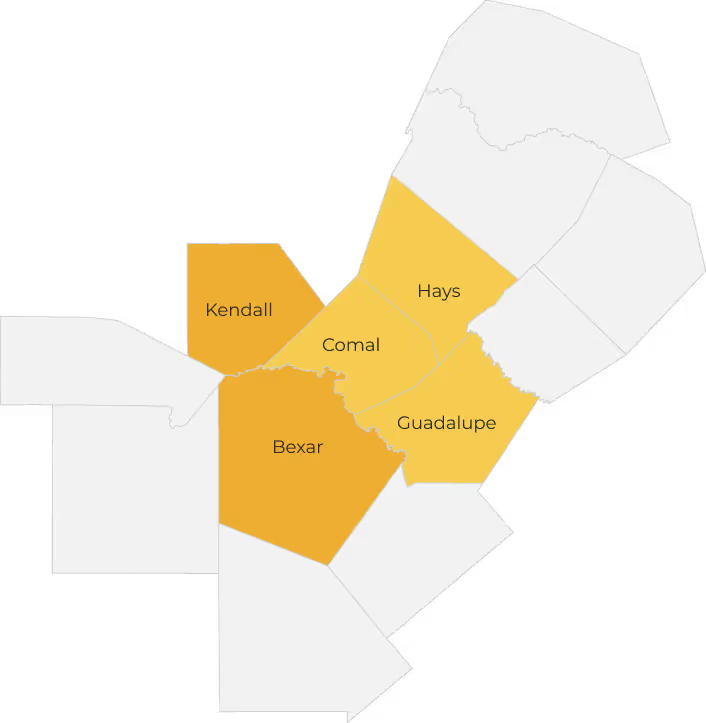
Areas We Serve
Primary counties:
- Bexar County
- Kendall County
Additional areas:
- Guadalupe County
- Comal County
- Hays County
and surrounding communities.
Frequently Asked Questions About Theft Charges
Remain calm, don't argue with store personnel, and don't sign any statements or admissions. Retailers often pressure suspected shoplifters to sign confessions or agree to civil penalties. Exercise your right to remain silent, request an attorney, and don't provide explanations to store security or police without legal representation.
Yes, theft charges can be dismissed through pretrial diversion programs, insufficient evidence, successful pretrial motions, civil compromise with victims, or demonstrated lack of criminal intent. First-time offenders have the strongest opportunities for dismissal through alternative programs.
Texas doesn't use these terms but classifies theft by property value. Theft under $2,500 is generally a misdemeanor, while theft of $2,500 or more is a felony. The value determines whether you face jail time or prison time and affects long-term consequences.
Jail time depends on the property value, your criminal history, and specific circumstances. First-time offenders charged with Class B or Class C misdemeanors often avoid jail through diversion programs, probation, or fines. Felony theft charges and repeat offenses carry higher risks of incarceration.
Previous theft convictions can enhance current charges to higher levels. Two prior theft convictions can elevate any new theft charge by one degree, turning a misdemeanor into a felony. Prior theft also eliminates eligibility for some diversion programs and increases the likelihood of increased sentences.
Theft requires intent to permanently deprive the owner of property. If you genuinely intended to pay but forgot, became distracted, or made an honest mistake, criminal intent may be absent. We present evidence demonstrating a lack of intent, including your behavior, prior shopping history, and circumstances showing an innocent explanation.
Retailers often send civil demand letters requesting payment in addition to criminal charges. These are separate civil matters, and paying doesn't prevent criminal prosecution. Never pay or respond without consulting an attorney, as payments can be used as evidence against you in criminal cases.

Fight Theft Charges Aggressively
Theft convictions create permanent records that affect employment, housing, and opportunities for years. You need an attorney who fights to protect your record through diversion programs, reduced charges, or trial victories. Call now.
We will contact you shortly.