

What Is the Difference Between a DUI and DWI in Texas?
- Updated:7/8/2026
- ByJustin M. Fowlks
The officer writes one word on the police report: "DWI." But your cousin got charged with "DUI" after a stop that sounded nearly identical. In Texas, those are two separate offenses: one for adults, one for minors, each with its own set of laws and list of unfortunate consequences.
If you or a family member was recently arrested for an alcohol-related driving offense in San Antonio, our experienced San Antonio DUI/DWI defense attorneys at Fowlks Law Firm can defend both charges throughout Bexar County, Kendall County, and Guadalupe County. The defense approach for each charge is not the same, though, and knowing which one you're actually facing is the first real step.
In Texas, One Charge Is for Adults, and One Is for Minors
The clearest way to draw the line: DWI is for adults. DUI is for minors. But the legal differences go further than that, starting with how intoxication is defined and how low the threshold is for each charge.

What Is DWI in Texas
Under Texas Penal Code Section 49.04, a person commits Driving While Intoxicated (DWI) when they operate a motor vehicle in a public place while intoxicated. Texas law defines "intoxicated" in two ways:
- A blood alcohol concentration (BAC) of 0.08% or higher; or
- Loss of the "normal use of mental or physical faculties" caused by alcohol, a controlled substance, a dangerous drug, or any combination.
That second definition gives law enforcement room to make an arrest even when a BAC test comes back below 0.08%. Slurred speech, loss of coordination, poor performance on a field sobriety test, or erratic driving can all support a DWI charge without hitting the legal limit.
For drivers 21 and older, DWI would be the standard charge. A single conviction carries real consequences, and repeat offenses or aggravating circumstances push it from a misdemeanor into felony territory.
What Is DUI in Texas
In Texas, DUI (Driving Under the Influence) applies to one specific situation: a driver under 21 with ANY detectable amount of alcohol in their system.
Texas Alcoholic Beverage Code Section 106.041 governs this offense. The law sets no minimum BAC threshold. For example, a minor or someone under the legal drinking age of 21 with a BAC of 0.01% can be arrested and charged. Prosecutors do not need to prove impairment, only that alcohol was detectable.
That is a much lower standard of proof than DWI. DUI for minors usually carries lighter penalties, but it also means a minor with a single sip of alcohol can face a real criminal charge.
Texas Zero Tolerance: Any Amount of Alcohol Is Illegal for Minors Behind the Wheel

Texas law gives minors no alcohol threshold when driving. Since possessing or consuming alcohol under age 21 is illegal in Texas regardless of context, there is no legal floor: zero detectable alcohol is the only acceptable amount for a minor behind the wheel.
When an officer stops a minor or someone under 21 years old and detects any indication of alcohol consumption (a smell on the breath, an open container, or behavior consistent with recent drinking), the person is subject to the implied consent rules. Texas law presumes every licensed driver has consented to chemical testing as a condition of holding a license. A minor who refuses a breath, blood, or urine test faces automatic penalties in addition to any DUI charge.
The implied consent rule applies to adult DWI cases as well, but the consequences for refusal fall harder on minors, particularly around license suspension timelines.
#cta_start
Fighting a DUI or DWI Starts with One Call
You do not have to figure out the Texas court system alone. Fowlks Law Firm can explain your rights, answer your questions, and help you take the next step.
#cta_end
DUI vs. DWI: The Penalty Difference in Texas
These two charges are not in the same penalty category.
DUI Penalties for Drivers Under 21
A first DUI is a Class C misdemeanor, the same tier as a minor traffic offense. But the consequences are real:
- Fine up to $500
- Driver's license suspension from 60 to 180 days
- 20 to 40 hours of community service
- Mandatory alcohol awareness class (for the minor and sometimes for the parents, too)
For a second offense, fines increase and community service hours rise to 40–60. A third DUI for a driver under 17 can result in a license suspension of up to two years. A minor between 17 and 20 years old facing a third offense faces penalties that overlap significantly with adult DWI consequences, including up to 180 days in jail.
Deferred disposition is available for first-time DUI offenders in some cases, which can lead to dismissal and eventual removal from the record. This option is not available for minors with two or more prior DUI convictions.

DWI Penalties for Adults: First Offense and Beyond
A first-time DWI is a Class B misdemeanor, with the following potential penalties:
- Fine up to $2,000
- Jail time from 72 hours to 180 days
- License suspension of 90 days to one year
- Possible ignition interlock device requirement
If the driver's BAC was 0.15% or higher, the charge is upgraded to a Class A misdemeanor, with a fine of up to $4,000 and up to 1 year in county jail.
A second DWI is a Class A misdemeanor. A third DWI is a third-degree felony, carrying a sentence of 2 to 10 years in state prison and a fine of up to $10,000. Additional felony charges apply when a child under 15 is a passenger, when someone is seriously injured (intoxication assault), or when someone is killed (intoxication manslaughter).
Which Is Worse: DUI or DWI
Both offenses can have very serious consequences in Texas, but DWI is the more serious charge. The penalties are heavier, record consequences are harder to manage, and options for clearing a DWI conviction are limited.
A DUI conviction is not a minor matter, either. A Class C misdemeanor on the record of a 17 or 18-year-old surfaces during employment background checks, college applications, and professional licensing reviews years later. Both charges deserve serious legal attention. They simply require different defense strategies.
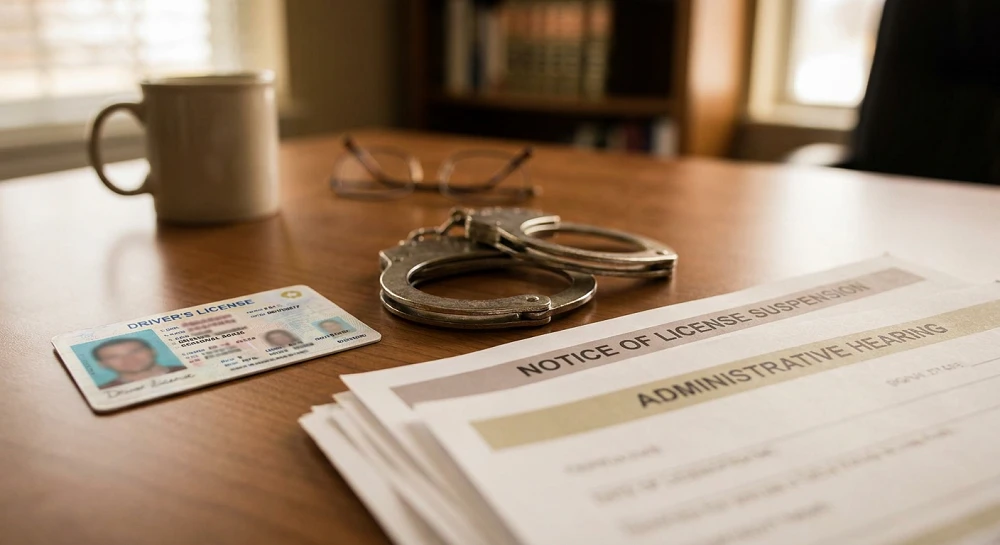
How a Texas DWI Conviction Can Follow You
Texas law makes it very difficult to remove a DWI conviction from a criminal record. Texas does not allow expunction of most DWI convictions, and they remain on the record permanently.
Long-term consequences include:
- Employment: Background checks routinely surface DWI convictions, and many employers screen for them.
- Professional licenses: Fields including nursing, law, teaching, real estate, and contracting require disclosure.
- Auto insurance: Rates increase sharply after a conviction and may stay elevated for years.
- Security clearances: A conviction can affect eligibility for government or defense-sector positions.
- Immigration status: Non-citizens may face serious consequences; consulting a separate immigration attorney is strongly recommended.
A DUI conviction for a minor can also resurface years later and affect scholarship eligibility and entry into certain careers. First-time juvenile DUI offenders may qualify for deferred disposition, but this outcome is not automatic and requires a proactive legal approach.
Drug-Related DWI in Texas: Alcohol Is Not the Only Issue

Texas DWI law covers far more than drunk driving. A person can be arrested for DWI while impaired by:
- Marijuana or other illegal drugs
- Prescription medications (including those taken exactly as prescribed)
- Over-the-counter drugs that affect mental or physical faculties
- Any combination of alcohol and other substances
There is no required minimum drug level. If law enforcement determines that any substance has affected the driver's normal use of their faculties, a DWI arrest can stand. When a breath test comes back below 0.08%, officers may request a Drug Recognition Evaluator (DRE) to assess whether drug impairment played a role.
Being licensed to take a medication does not create a defense against DWI if that medication has impaired driving ability. A drug-related DWI can also come alongside separate drug possession charges in Texas. Both are worth understanding before your first court date.
When Can a Minor Be Charged with DWI Instead of DUI
A driver under 21 does not automatically receive the lighter DUI charge. If a minor's BAC is 0.08% or higher, or if the minor is impaired by drugs, they can be charged with DWI, the adult charge, with the same potential penalties an adult would face.
For drivers between 17 and 20 years old, a DWI charge means prosecution as an adult. Potential jail time, fines, and permanent record implications are identical to those of an adult DWI defendant. There is no automatic juvenile track for this age group.
The difference in charge matters for long-term outcomes. A DUI conviction may be cleared from a minor's record under certain conditions. A DWI conviction generally cannot be expunged and can affect a person's life well into adulthood.
How to Contest Your License Suspension After a DWI Arrest in Texas
Under the Texas DPS Administrative License Revocation (ALR) Program, your license can be suspended automatically if you:
- Failed a breath or blood test at or above the legal limit; or
- Refused to submit to chemical testing when requested.
The window to contest this suspension is 15 days from the date of arrest. Miss that deadline, and the suspension takes effect on the 40th day after arrest, with no opportunity to challenge it.
Suspension lengths vary by situation:
The ALR process is completely separate from the criminal case. Even if criminal charges are later reduced or dismissed, the license suspension remains unless a timely ALR hearing request is made.
Protecting Your License Starts Before the Criminal Case Ends
A DWI or DUI arrest in Texas puts multiple clocks in motion at once: the 15-day ALR window, the criminal court calendar, and long-term decisions that shape how the case resolves. The sooner an attorney gets involved, the more options remain available.
Two legal processes start the moment of arrest: the criminal case and the clock on your license. Fowlks Law Firm has defended clients throughout San Antonio and South Texas at every stage and at every level of charge. If you are facing a DWI or DUI charge, the time to act is now. If you are facing a DWI or DUI charge, contact us online today.



Not Sure Whether You’re Facing DUI or DWI? We Can Help.
Texas treats DUI and DWI charges differently. Our team can explain what your charge means, what penalties you may face, and what steps you should take next.

.avif)
.svg)