



San Antonio Robbery Attorney
Types of Robbery Charges We Defend in the San Antonio Area
Texas Robbery Laws: Robbery vs. Aggravated Robbery
In Texas, robbery isn't simply theft with extra paperwork. As noted, a person commits robbery when they cause bodily injury or place someone in fear of imminent bodily injury or death while committing or attempting theft. That confrontation element makes robbery a felony, unlike ordinary theft, which can be a misdemeanor, depending on the value of what’s taken.
Aggravated robbery applies when the robbery involves a deadly weapon, serious bodily injury, or an elderly or disabled victim. It's a first-degree felony with harsh penalties, including substantial fines and extensive prison time.
Penalties for Robbery and Aggravated Robbery in Texas

The penalties for robbery in Texas scale sharply based on what happened during the offense:
- Robbery: Robbery is a second-degree felony punishable by two to 20 years in prison and a fine up to $10,000. Probation, including deferred adjudication, may be available when the sentence is 10 years or less.
- Aggravated robbery: Aggravated robbery carries five to 99 years or life, and a fine up to $10,000. Because it is a "3g" offense, a judge cannot grant regular probation. A conviction requires serving half the sentence (or 30 years, whichever is less, and at least two years) before parole eligibility.
- Prior felony enhancement: A prior felony conviction can raise robbery to the first-degree range. Two sequential prior felonies can trigger the habitual-offender range of 25 to 99 years or life.
- Victim-based enhancement: If the victim is 65 or older or disabled, the charge rises to aggravated robbery, even without a weapon or serious injury.
These ranges are a starting point; the facts of your case determine where it actually lands.
Collateral Consequences of a Robbery Conviction
The consequences of a robbery conviction often go beyond the sentence itself and may include the following:
- A felony record visible on background checks for jobs, housing, and licensing;
- Loss of firearm rights under state and federal law;
- Immigration consequences for non-citizens, potentially including removal proceedings;
- Delayed parole eligibility tied to an aggravated robbery or deadly weapon finding;
- Damage to relationships and reputation that outlasts the case.
That is why early, skilled defense matters.
#cta_start
Start Building Your Defense Today
Robbery investigations move fast in San Antonio and the surrounding counties, with key identification, surveillance, and witness evidence frequently being gathered in the days after an arrest. Contact Fowlks Law Firm today so our bonded, bilingual attorneys can review and challenge the evidence against you.
#cta_end
Eyewitness Identification in Robbery Cases
Texas law allows a robbery conviction to rest entirely on one witness's word, without a single fingerprint or frame of video. That rule puts identification at the center of nearly every robbery case.
A few patterns show up repeatedly in robbery investigations across Bexar County and the surrounding counties:
- A witness shows up at the scene minutes after the incident and identifies whoever the police happen to have detained.
- A single photo is shown for confirmation rather than a proper array.
- A witness shares a description on social media before speaking to a detective.
- An agitated witness makes a cross-racial identification quickly in poor lighting conditions.
Any one of these circumstances can raise doubt about whether the right person was identified, and they’re what we focus on when cross-examining witnesses.
Texas Code of Criminal Procedure Article 38.20 requires every law enforcement agency to follow written photo and live lineup procedures. We request every photo array, lineup report, and officer's note related to an identification, and bring in outside consultants when needed.
Potential Defense Strategies for Robbery Charges
Every robbery case gives a skilled defense attorney multiple angles to work, and the strongest defense usually combines several of them. Here are some of the strategies our lawyers may use in your case.
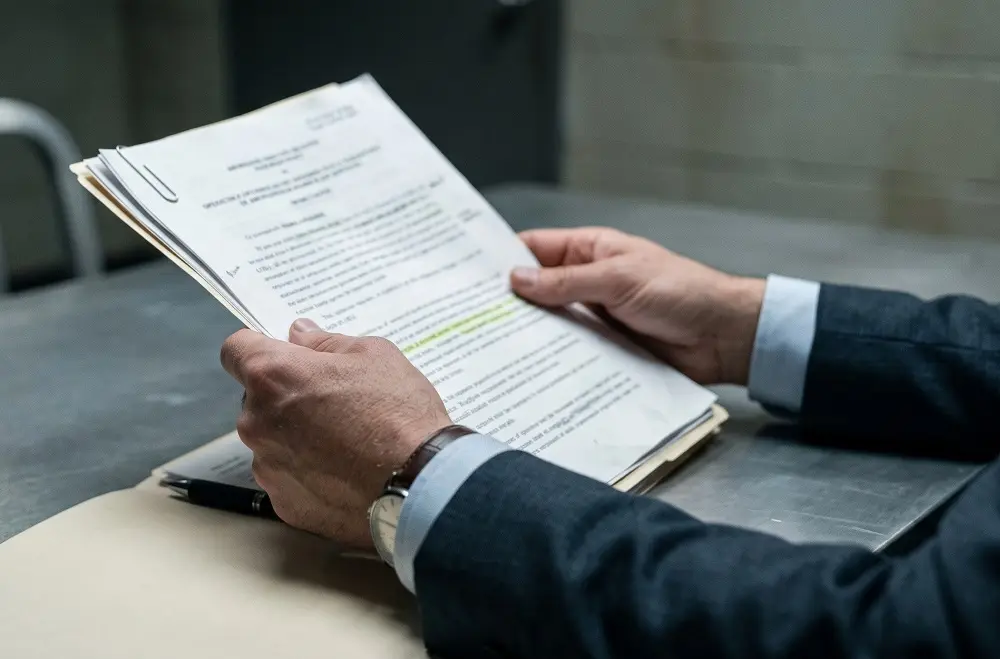
Questioning Eyewitness Identification
As noted, robbery prosecutions often hinge on identification. We’ll consider:
- Mistaken identity: Stress and brief exposure can make identifications less reliable than jurors assume.
- Inconsistent statements: Early descriptions made to officers often conflict with courtroom testimony given months later.
- Contaminated memory: Once a witness sees a photo online or hears other witnesses' details, their original memories can be compromised.
A confident witness isn't the same as an accurate one, and the outcome of the entire case could rest on that important distinction.
Challenging Physical and Forensic Evidence
When the state's case relies on more than witness testimony, we’ll examine the evidence and probe for vital weaknesses, such as:
- Surveillance gaps: Footage that doesn’t show a face or is missing key time intervals may not be trustworthy.
- Missing weapon or property: If a weapon was never recovered, prosecutors may have little more than a description to prove it existed.
- Absence of DNA and fingerprints: In some instances, a lack of physical evidence can be enough to create reasonable doubt.
To convict, the evidence must prove every element beyond a reasonable doubt. Evidence that only fits the prosecution's assumptions falls short of that standard.
Constitutional Violations and Suppression Motions
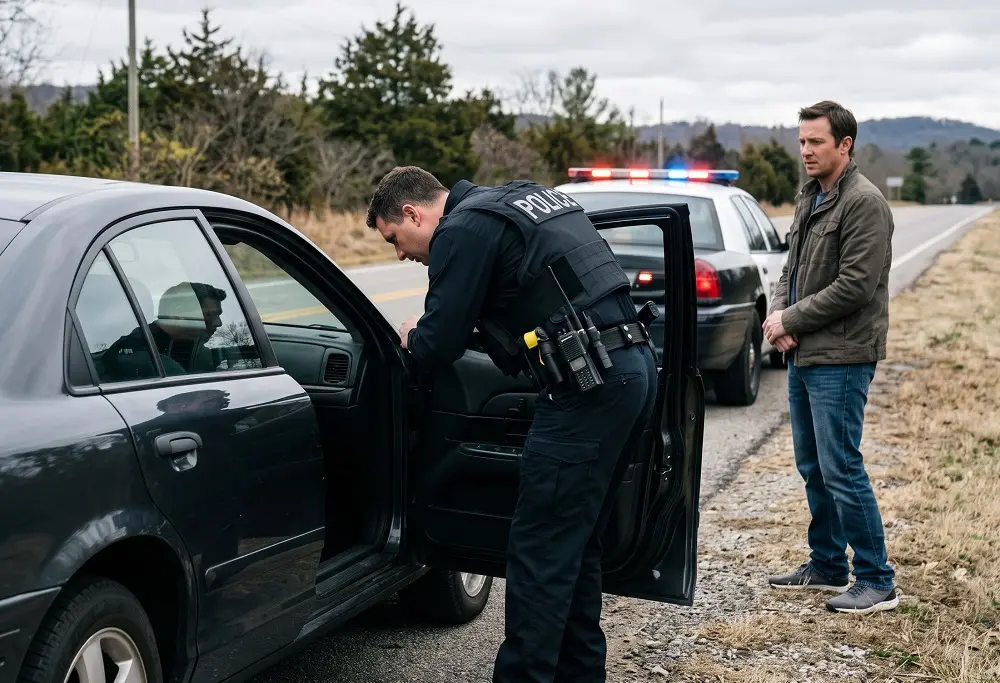
Robbery investigations tend to move quickly, and speed sometimes comes at the expense of proper procedure. We know how to challenge:
- Illegal stops and searches: Evidence obtained through a stop without reasonable suspicion, or a search without a valid warrant or recognized exception, can be suppressed under the Fourth Amendment and Texas Code of Criminal Procedure Article 38.23.
- Improper lineups: Unnecessarily suggestive identification procedures can violate due-process protections.
- Miranda violations: Custodial statements taken without proper warnings, or after a request for a lawyer, can be excluded, and Texas adds its own recording and warning requirements under Article 38.22.
A successful suppression motion can dismantle the centerpiece of the prosecution's case before a jury ever hears it.
Why Choose Fowlks Law Firm
-

Around-the-Clock Availability
Robbery arrests happen at any hour, and the first hours after booking often shape bond and any contact with detectives. You can reach us day or night.
-

Bilingual Legal Services
Our attorneys are bilingual, so you can discuss every detail of your case in English or Spanish.
-

Bond Posting in Bexar, Comal, and Guadalupe Counties
Fowlks Law Firm is approved to post bonds for its clients in Bexar County, and approval in Comal and Guadalupe counties is underway. Posting bond directly can remove the need for a third-party bondsman and get your defense started sooner.
The Legal Process for Robbery Cases in Texas
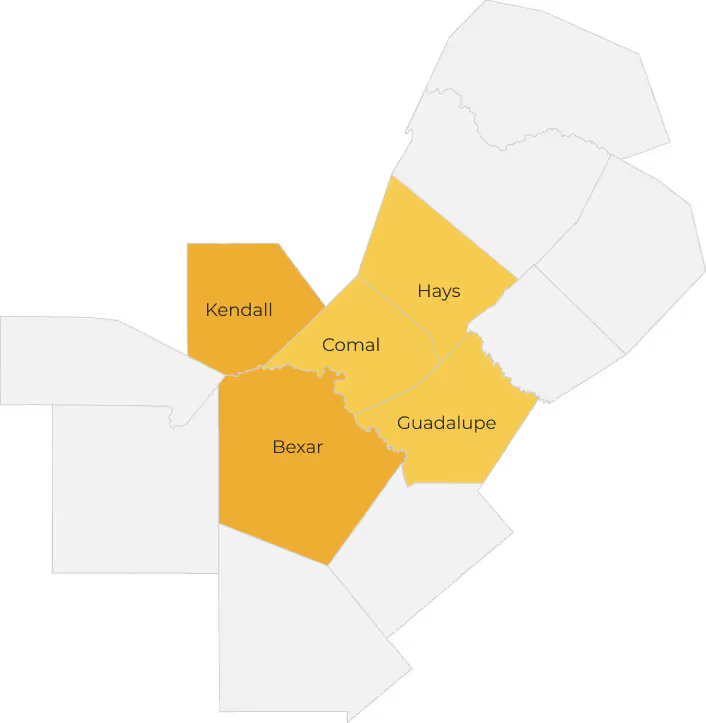
Robbery cases in Bexar, Comal, Guadalupe, and Kendall counties progress through several standard stages. Knowing what's ahead can help you protect your rights and make clear decisions.
- Arrest and booking: You'll be taken to the county jail where the arrest occurred, in San Antonio, New Braunfels, Seguin, or Boerne. Anything you say during your detainment can be used against you.
- Magistrate hearing and bond: A magistrate must see you within 48 hours of arrest. On aggravated robbery, the State may now ask the court to deny bail entirely under the 2025 constitutional amendment (Proposition 3), and you have a right to counsel at that hearing. Your attorney can argue for conditions that let you keep working and living at home.
- Grand jury review: For felony charges, a grand jury must decide whether the evidence supports a formal indictment.
- Arraignment and discovery: You’ll enter a plea (most likely not guilty) while your lawyer requests evidence like official reports, statements, and identification records.
- Pretrial motions and negotiation: Your attorney will file suppression motions and engage in plea talks with the county's criminal district attorney's office.
- Trial or resolution: If your lawyer can’t reach a fair resolution, your case will proceed to trial, where the state must prove every element beyond a reasonable doubt.
Most robbery cases resolve before trial, and a defense built on a strong evidentiary foundation gives you the best chance at a favorable result.


From simple possession to serious trafficking allegations, drug charges can derail your life and career.

Our Robbery Defense Team
The attorneys at Fowlks Law Firm defend clients in courtrooms across Bexar, Comal, Guadalupe, and Kendall counties, and we know how robbery cases are charged and where identification evidence breaks down. You work directly with your attorney, not a rotating cast of staff, from the first call through trial.
We can:
- Be There 24/7
- Give Free Initial Consultation
- Provide Service in Spanish
- Post Your Bond
- Provide Full Personal Attention
- WIN YOUR CASE

Areas We Serve
Bexar County:
- San Antonio
- Converse
- Helotes
- Live Oak
- Universal City
Comal County:
- New Braunfels
- Bulverde
- Canyon Lake
- Spring Branch
Guadalupe County:
- Seguin
- Schertz
- Cibolo
- Marion
Kendall County:
- Boerne
- Comfort
- Fair Oaks Ranch
We also serve Hays County and surrounding communities.
Frequently Asked Questions About Robbery Charges in San Antonio
Theft refers to taking property without consent, and depending on the value of what’s taken, it can be a misdemeanor. Robbery adds force, threats, or fear of injury, which makes it a felony regardless of what was stolen.
In some cases, yes. If the evidence of force or threat is weak, or the confrontation happened separately from the theft, a charge can sometimes be negotiated down to theft, assault, or another lesser offense.
Yes. Texas law allows for a conviction based on a single eyewitness's word. However, that doesn't necessarily mean the state’s case is strong. Identification can be challenged through cross-examination and prior inconsistent statements.
For robbery, bond is generally available. For aggravated robbery, the State can now ask a judge to deny bail under Article I, Section 11d of the Texas Constitution. It must prove flight risk by a preponderance of the evidence, or a danger to the community by clear and convincing evidence. If bond is granted, expect higher amounts or conditions like electronic monitoring. Our attorneys can argue for a bond that reflects your criminal history and ties to the community.
Texas law treats a robbery against a victim 65 or older, or with a qualifying disability, as aggravated robbery, which is a first-degree felony even without a weapon. That raises the stakes considerably.
It can, though this rarely happens. Bank robberies and robberies that affect interstate commerce (Hobbs Act cases) fall under federal jurisdiction. They're prosecuted in the U.S. District Court for the Western District of Texas, San Antonio Division, and have sentencing guidelines that differ from those of state courts.

Get a Robust Defense to Your Robbery Charges
A robbery charge often comes down to how well one witness remembers a few stressful seconds, and the evidence against the alleged perpetrator deserves careful scrutiny. Contact Fowlks Law Firm today for a free, confidential case review at (210) 455-1000. Our attorneys are available 24/7, speak fluent Spanish, and can post your bond directly in Bexar County, with Comal and Guadalupe approval underway.
We will contact you shortly.