



San Antonio Weapon Charges Lawyer
San Antonio Weapon Charges We Defend
Prosecutors in Bexar County and the surrounding counties bring firearm and weapon cases regularly, and a conviction can mean years in prison plus a long-term or permanent ban on owning a gun. As a San Antonio weapon charges law firm, we have deep experience defending clients against the following weapon charges.
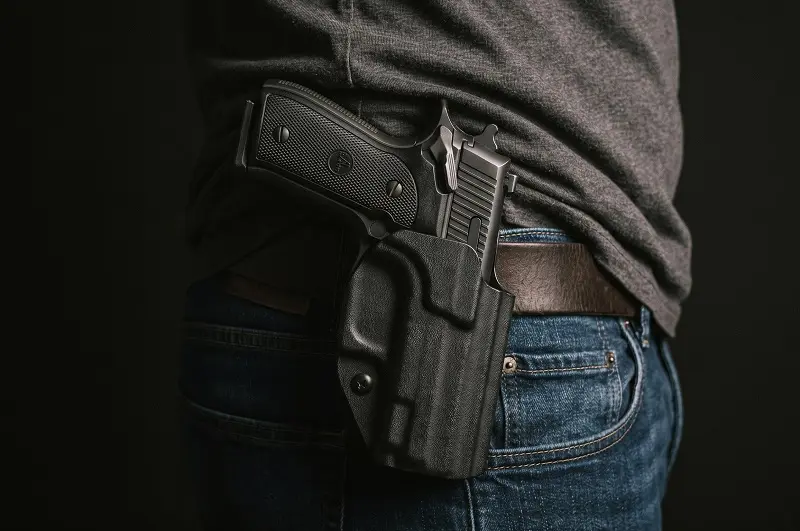
Unlawful Carrying of a Weapon
Permitless carry in Texas comes with an asterisk most people never read until they are standing in front of a judge. Being under 21 without a license, intoxication, a disqualifying conviction, or a carry method outside what Texas Penal Code Section 46.02 allows can turn a routine stop on I-35, I-10, or Loop 1604 into handcuffs. The stop itself is often the weakest link in the state's case, and that is exactly where our team starts looking.

Felon in Possession of a Firearm
A felony conviction, a family violence assault conviction, or an active protective order can make firearm possession a crime under Texas Penal Code Section 46.04. Prosecutors treat these cases as automatic. We do not. Prosecutors must prove possession, not assume it, and a disqualifying prior conviction must actually apply.
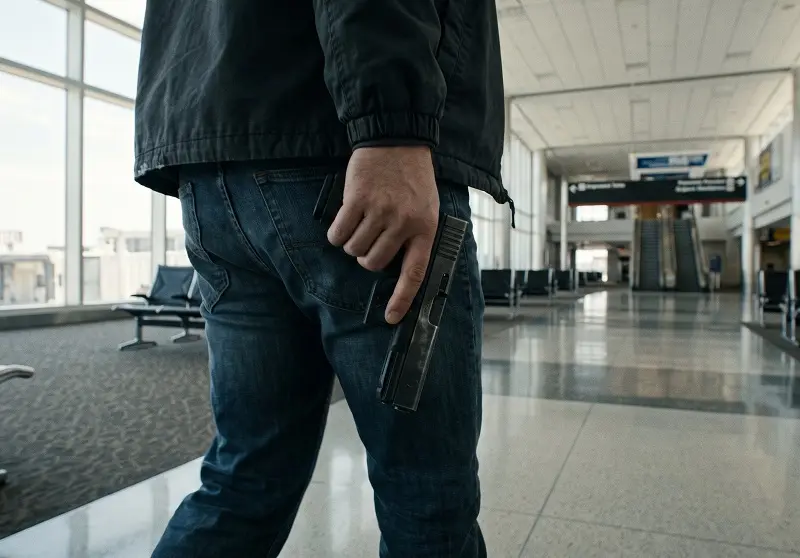
Weapons in a Prohibited Place
Schools, courthouses, polling places, secured areas of airports, and businesses that get 51% or more of their revenue from on-premises alcohol sales are off-limits under Texas Penal Code Section 46.03, even for someone otherwise carrying legally. For businesses that rely on posted signs, including the 51% sign and Sections 30.05-30.07 trespass signs, the state must prove effective notice. Whether a location qualifies is often contested, and when that proof is thin, the case is thinner.

Prohibited Weapons Charges
Machine guns and explosive devices remain illegal in Texas unless registered with the federal government, and armor-piercing ammunition, zip guns, and tire deflation devices are prohibited outright unless an exception applies. Misclassification happens often, and the fight starts with a clear read on what the item is and whether an exception applies.
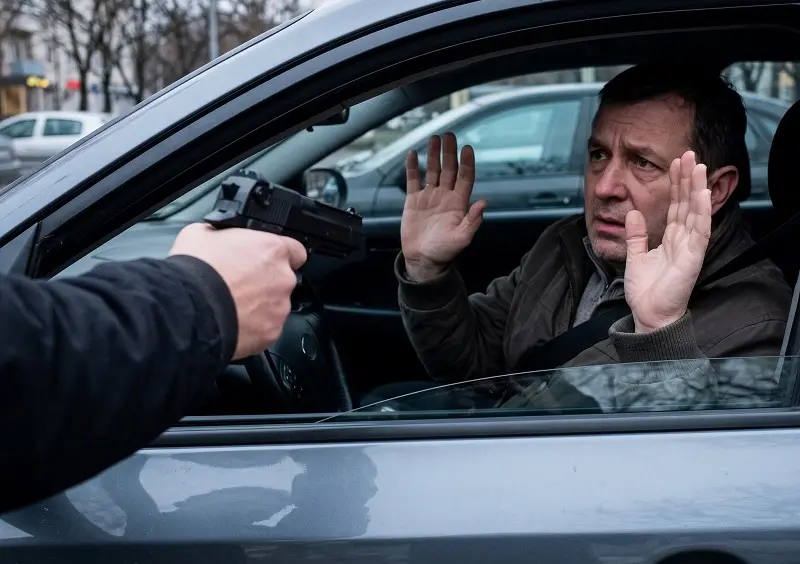
Deadly Weapon Findings in Other Charges
A firearm tied to an assault, a robbery, or a drug case can attach a deadly weapon finding that rules out judge-ordered probation and pushes parole years further out. That single line on a judgment can matter more than the underlying charge itself, and it is not automatic. We fight to keep it off the paperwork when the facts do not support it.

Federal Firearm Charges
Felon in possession cases and unregistered National Firearms Act items can cross from a county courtroom straight into the U.S. District Court in San Antonio, where the rules change and the stakes climb. Federal sentencing does not forgive the way state court sometimes can. A case with exposure on both sides needs a strategy built for both.


Call Our Skilled
San Antonio Weapon Charges Attorney Now
A weapon charge sets deadlines the moment it's filed, and every one that passes narrows the options left on the table. Our San Antonio weapon charges attorneys get involved immediately, because in these cases waiting can limit your available defenses.

Texas Gun Carry Laws and Weapon Charges
The 2021 shift to permitless carry gets most of the attention, but the exceptions built into that framework are what actually end up in a courtroom.
- Permitless carry eligibility: The law only covers people 21 and older who are not otherwise barred from possessing a firearm under state or federal law. Adults 18 to 20 may carry only with a License to Carry, available following a 2022 federal court ruling. A single disqualifying factor removes the allowance entirely.
- Handguns versus long guns: Rifles and shotguns have long had far fewer carry restrictions than handguns and can generally be carried openly, though carrying one in a manner calculated to alarm can still lead to a disorderly conduct charge.
- License to Carry: A state-issued LTC is still available and still worth holding, since it provides reciprocity in other states and covers a few situations permitless carry does not reach.
- Vehicles and private property: You can typically carry a firearm in a private vehicle or on property you own or control, subject to the same disqualifying factors that apply anywhere else in the state.
- Disqualifying factors: A felony conviction, certain family violence convictions, an active protective order, or intoxication can each remove the permitless carry allowance and turn an otherwise lawful carry into a charge under Texas Penal Code Section 46.02.
Whether a specific carry counts as lawful almost always comes down to one of these details, which is why the facts surrounding the stop matter as much as the charge written on the paperwork.
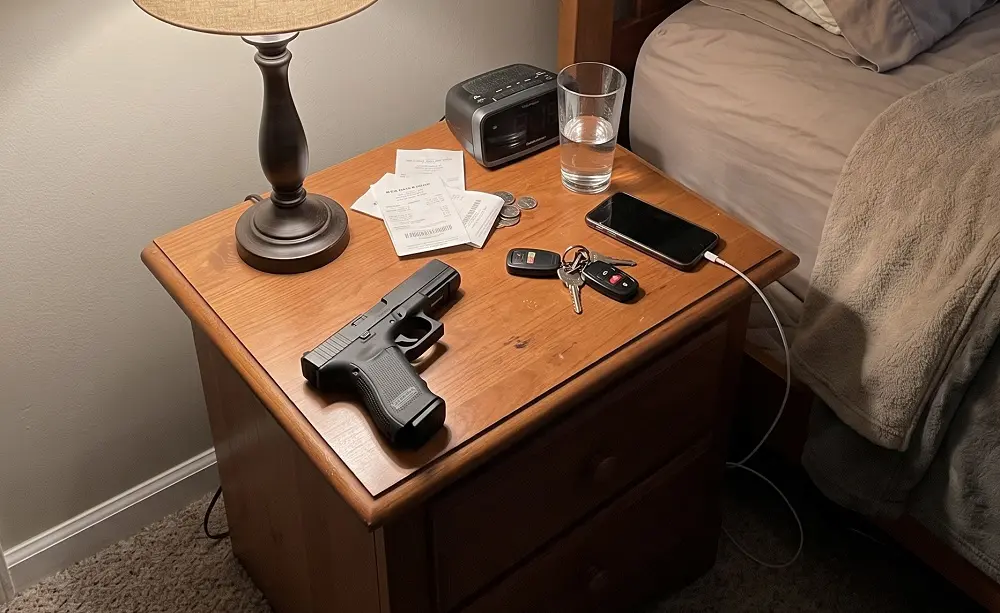
Use of Force and Weapon Charges
Texas law allows a person to use a weapon in self-defense under specific circumstances, and a case that starts as a defensive act can still end in a weapon charge if the state disagrees with how far that response went.
- Reasonable belief standard: Force is only justified when a person reasonably believes it is immediately necessary to protect against unlawful force, and deadly force requires a reasonable belief that it is immediately necessary against deadly force or certain violent crimes.
- Display versus discharge: Under Penal Code Section 9.04, producing a weapon to create apprehension is treated as force, not deadly force, which is judged differently than firing it. The specific charge the state files often turns on which one actually happened.
- No duty to retreat: Texas law removes any obligation to retreat wherever you have a legal right to be, as long as you did not provoke the encounter and were not engaged in criminal activity.
- Deadly conduct exposure: A reckless display or discharge of a firearm, even without any intent to hurt someone, can bring its own separate charge apart from whatever self-defense claim exists.
In a self-defense case, the real question is whether the response was reasonable, not whether the weapon was legal to have.
Illegal and Prohibited Weapons Under Texas Law
Certain items cross the line into a prohibited weapons charge no matter who carries them or where, and the list of what actually qualifies has shifted more than once in recent legislative sessions.
- Machine guns and explosive weapons remain illegal to possess, manufacture, or sell under Texas Penal Code Section 46.05 unless the item is properly registered with the federal government. Armor-piercing ammunition, chemical dispensing devices, zip guns, tire deflation devices, and improvised explosive devices are also prohibited.
- Short-barreled firearms were removed from the Texas prohibited weapons list effective September 1, 2025, though federal registration under the National Firearms Act still applies (the federal tax on these items dropped to $0 on January 1, 2026).
- Silencers are no longer restricted under Texas law, but the federal registration requirement for a silencer has not changed.
- A prior felony conviction can bar someone from possessing any firearm at all under Texas Penal Code Section 46.04, regardless of whether that specific weapon would otherwise be legal for someone else to own.
- Weapon-free zones, including schools, courthouses, and polling places, apply even to license holders and items that are otherwise legal everywhere else in the state.
An item classified as prohibited at arrest is not always classified that way by the time a case goes to trial, so the first question in any prohibited-weapons case is whether the charge matches what the statute said on the date of the offense.
Texas Penalties for Weapon Charges
Weapon charges span the full range of the penalty scale, and where a case lands often hinges on small statutory details rather than how serious the incident felt at arrest. Our San Antonio weapon charges lawyer reviews every subsection before the state locks in a number.
Penalty Grades By Offense

Each grade carries its own jail or prison exposure, and the same incident can land in more than one grade depending on the exact subsection charged.
- Class A misdemeanor: Basic unlawful carrying and most family violence and protective-order possession violations carry up to one year in county jail and a fine of up to $4,000.
- State jail felony: Possession of a tire deflation device carries 180 days to two years in a state jail facility and a fine of up to $10,000.
- Third-degree felony: Carrying in a prohibited place, unlawful carrying on alcohol-licensed premises, felon in possession, and most prohibited weapons offenses carry two to ten years in prison and a fine of up to $10,000.
- Second-degree range: A third-degree weapon offense can be punished as a second-degree felony (two to 20 years) when the state proves an additional prior felony conviction.
- Federal exposure: Federal felon in possession charges carry up to fifteen years, and unregistered National Firearms Act items carry up to ten years, often on top of any Texas charge.
The exact subsection charged and the client's criminal history decide where a case actually lands on this scale.
Long-Term Consequences Of A Weapon Conviction
A conviction reaches beyond the sentence itself and can follow someone long after a case closes.
- Loss of the right to purchase, possess, or carry a firearm, in most cases permanently under federal law.
- Suspension or revocation of a Texas License to Carry.
- Immigration consequences for non-citizens, including possible deportation.
- A permanent record visible in background checks for housing and employment.
These consequences are why a weapon charge should be fought at every stage.


From simple possession to serious trafficking allegations, drug charges can derail your life and career.

A San Antonio Weapon Charges Defense Lawyer Who Answers 24/7
Evidence moves fast, and so does the clock on your bond hearing. Talk to Fowlks Law Firm at (210) 455-1000 before your next court date.
Our Weapon Charges Defense Team
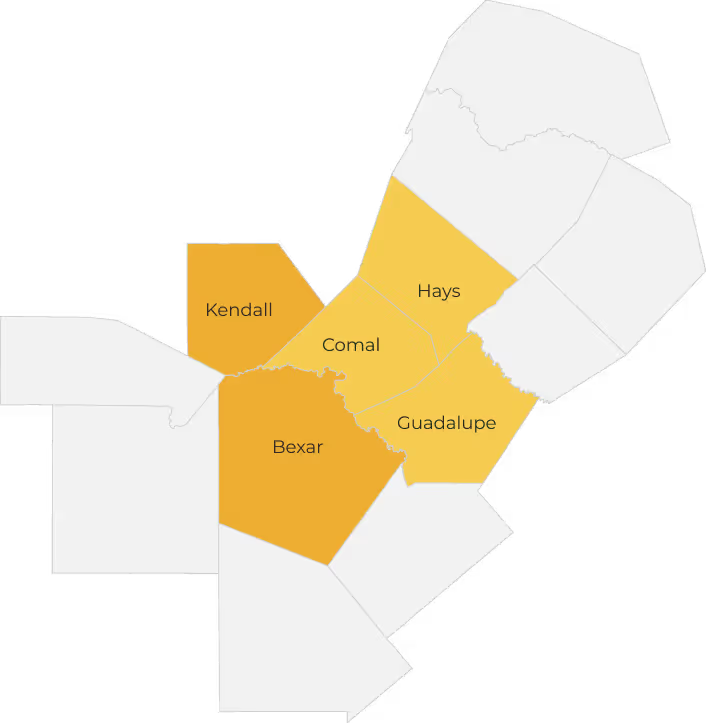
The attorneys at Fowlks Law Firm defend clients charged with weapon offenses in Bexar, Comal, Guadalupe, and Kendall counties. We review every police report personally, argue bond conditions at the magistrate stage, and stay reachable through the parts of a case that catch most clients off guard. In Bexar County, we can post bond directly for clients, and approval in Comal and Guadalupe counties is underway.
We can:
- Be There 24/7
- Give Free Initial Consultation
- Provide Service in Spanish
- Post Your Bond
- Provide Full Personal Attention
- WIN YOUR CASE

Areas We Serve
Bexar County:
- San Antonio
- Converse
- Helotes
- Live Oak
- Universal City
Comal County:
- New Braunfels
- Bulverde
- Canyon Lake
- Spring Branch
Guadalupe County:
- Seguin
- Schertz
- Cibolo
- Marion
Kendall County:
- Boerne
- Comfort
- Fair Oaks Ranch
We also serve Hays County and surrounding communities.
Frequently Asked Questions About Weapon Charges in Texas
Most adults 21 and older can carry a handgun without a license under Texas's permitless carry law. That rule does not cover everyone: certain convictions, active protective orders, and intoxication can still turn an otherwise legal carry into a charge.
Sometimes, but it is complicated. Texas allows possession at your home five years after release from confinement or supervision, but federal law still prohibits it. A pardon, or the federal relief-from-disabilities process the Department of Justice began restoring in 2025, may restore rights in some cases. The answer depends on the offense and how much time has passed.
Yes, depending on the strength of the stop, the search, and the classification of the item involved. Suppressed evidence or a flaw in the underlying disqualifying conviction can lead to a reduced charge or dismissal.
Yes, particularly in felon in possession cases and cases involving unregistered NFA items. Federal and state cases can proceed at the same time, and each needs its own strategy from the start.

Contact Fowlks Law Firm for a Weapons Charge Defense
A weapon conviction can cost more than a criminal record. It can cost the right to own a firearm, a professional license, or standing in a custody case, and none of that comes back easily once it is gone. Contact our dedicated San Antonio weapons charges law firm at (210) 455-1000 for a free case review. Our attorneys are available 24/7 and speak directly with every client from the first call.
We will contact you shortly.